Sleep Apnea During Pregnancy: What the New 2026 Guidelines Say
By Dr. Ali Araghi · October 22, 2026 · 7 minute read
New 2026 medical guidelines recommend screening for obstructive sleep apnea during pregnancy. Here's what every expectant mother should know.
By Auria Medical Clinics | Sleep Medicine & Women's Health
Pregnancy brings many changes to your body. You may feel more tired, wake up frequently at night, or notice your sleep isn't as refreshing as it used to be. Most women assume these changes are simply part of pregnancy.
But what if your snoring or daytime exhaustion signals something more important?
A condition called obstructive sleep apnea (OSA) may be affecting your breathing while you sleep. New recommendations published in the October 2026 issue of CHEST, the journal of the American College of Chest Physicians, suggest screening for sleep apnea during pregnancy.
The reason is simple: Your breathing and sleep health matter - not only for you, but potentially for your developing baby.
What Is Obstructive Sleep Apnea?
Imagine trying to breathe through a soft straw that repeatedly collapses while you are sleeping.
Something similar happens in obstructive sleep apnea.
During sleep, the muscles around your throat naturally relax. In people with OSA, the upper airway becomes too narrow or temporarily closes, interrupting normal breathing.
These interruptions may happen repeatedly throughout the night, sometimes causing blood oxygen levels to fall and briefly awakening the brain.
You may not remember waking up, but your sleep can become fragmented and less restorative.
Common symptoms include:
-
Loud or frequent snoring
-
Pauses in breathing noticed by a partner
-
Gasping or choking during sleep
-
Waking up feeling unrefreshed
-
Excessive daytime tiredness or sleepiness
-
Morning headaches
-
Difficulty concentrating
Not everyone with sleep apnea has all these symptoms, and some people don't realize their breathing is being interrupted.
Why Can Sleep Apnea Become a Problem During Pregnancy?
Pregnancy produces remarkable changes throughout the body, including changes that affect breathing.
Hormonal changes, fluid shifts, weight gain, and upper airway changes can increase the likelihood of airway narrowing during sleep.
For someone who already has sleep apnea, these changes may make the condition worse. In others, sleep apnea may first appear during pregnancy.
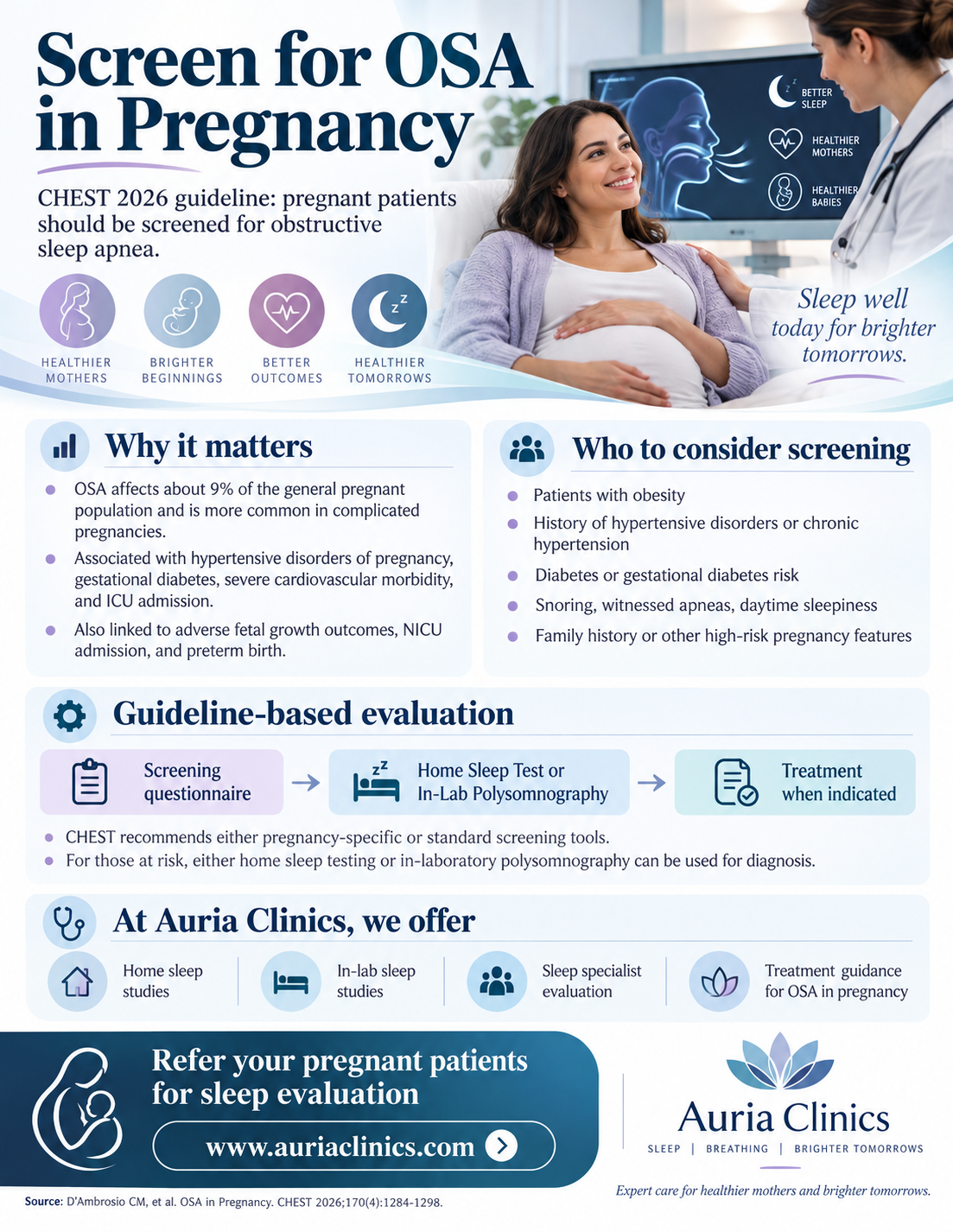
Researchers estimate that approximately 9% of pregnant women in the general population have objectively diagnosed obstructive sleep apnea, with higher rates among women experiencing complicated pregnancies.
That means sleep apnea is common - and it can easily go unrecognized when symptoms are mistaken for ordinary pregnancy fatigue.
Why Does Sleep Apnea Matter for Mothers and Babies?
Research has identified associations between obstructive sleep apnea during pregnancy and several important medical complications.
For mothers, these include:
-
High blood pressure during pregnancy, including hypertensive disorders such as preeclampsia
-
Gestational diabetes
-
Serious cardiovascular complications
-
Increased likelihood of requiring intensive medical care in complicated cases
Studies have also identified associations with certain pregnancy and newborn outcomes, including premature birth, problems with fetal growth, and admission to a neonatal intensive care unit (NICU).
An important distinction: These findings do not mean that every pregnant woman with sleep apnea will experience complications. They also do not prove that sleep apnea directly causes each of these outcomes.
However, the associations are important enough that sleep specialists and obstetric clinicians increasingly recognize the value of identifying possible sleep apnea during pregnancy.
Who Should Be Screened for Sleep Apnea During Pregnancy?
The new CHEST guideline recommends screening pregnant patients for obstructive sleep apnea, with particular attention to higher-risk patients.
You may benefit especially from screening if you:
-
Have obesity or significant weight-related risk factors
-
Have high blood pressure or a history of hypertensive disorders during pregnancy
-
Have diabetes or gestational diabetes
-
Snore frequently or loudly
-
Have a partner who notices pauses in your breathing
-
Experience persistent daytime sleepiness or nonrefreshing sleep
-
Have a family history of obstructive sleep apnea
Even if you don't have these risk factors, it's worth discussing changes in your breathing or sleep with your obstetrician.
Remember: Snoring during pregnancy isn't always harmless, and persistent exhaustion shouldn't automatically be dismissed as a normal part of pregnancy.
How Is Sleep Apnea Diagnosed During Pregnancy?
The good news is that sleep apnea testing is generally straightforward.
Your healthcare provider may begin with questions about snoring, sleep quality, daytime fatigue, and your medical history.
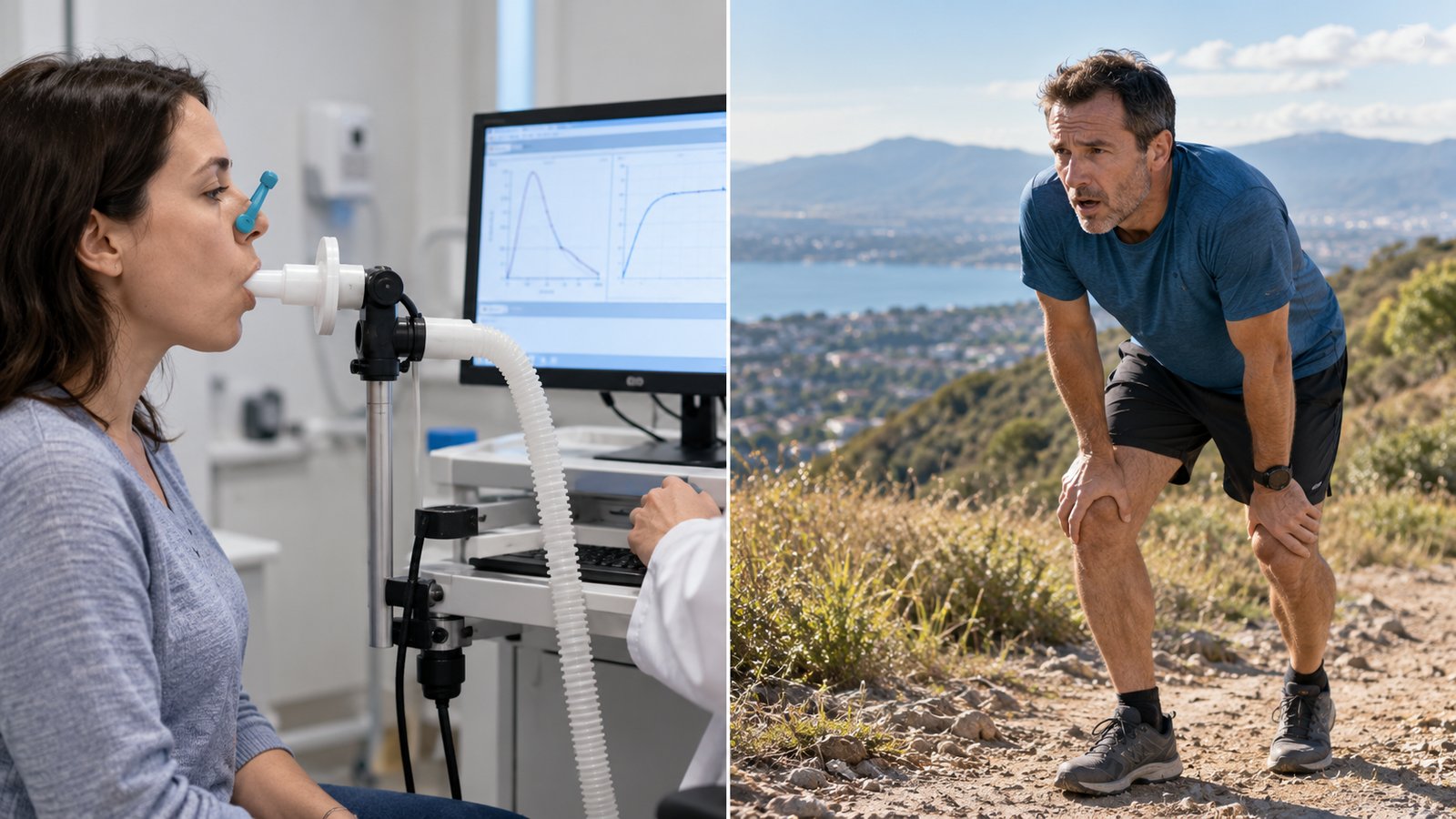
If sleep apnea is suspected, a sleep study can help determine whether your breathing is being interrupted during sleep.
The new CHEST guideline supports two diagnostic approaches.
1. Home Sleep Apnea Testing
For appropriately selected patients, a home sleep apnea test lets you evaluate breathing during sleep in the comfort of your own bed.
The test typically uses a small monitoring device that records breathing and oxygen-level measurements.
A major advantage is convenience: pregnant women may prefer sleeping at home instead of spending a night in a medical facility.
2. In-Laboratory Sleep Study
An overnight laboratory sleep study, called polysomnography, provides a more detailed evaluation of sleep, breathing, oxygen levels, and other physiological measurements.
It is particularly useful when a more comprehensive assessment is needed.
Sometimes, a home study may not detect mild sleep apnea. If the home test is negative but symptoms or clinical suspicion remain significant, we may recommend an in-laboratory sleep study.
At Auria Medical Clinics, we offer both home sleep apnea testing and in-laboratory sleep studies, allowing our sleep medicine team to help determine the most appropriate diagnostic approach.
Can Sleep Apnea Be Treated During Pregnancy?
Yes. When treatment is needed, the preferred approach is usually positive airway pressure (PAP) therapy.
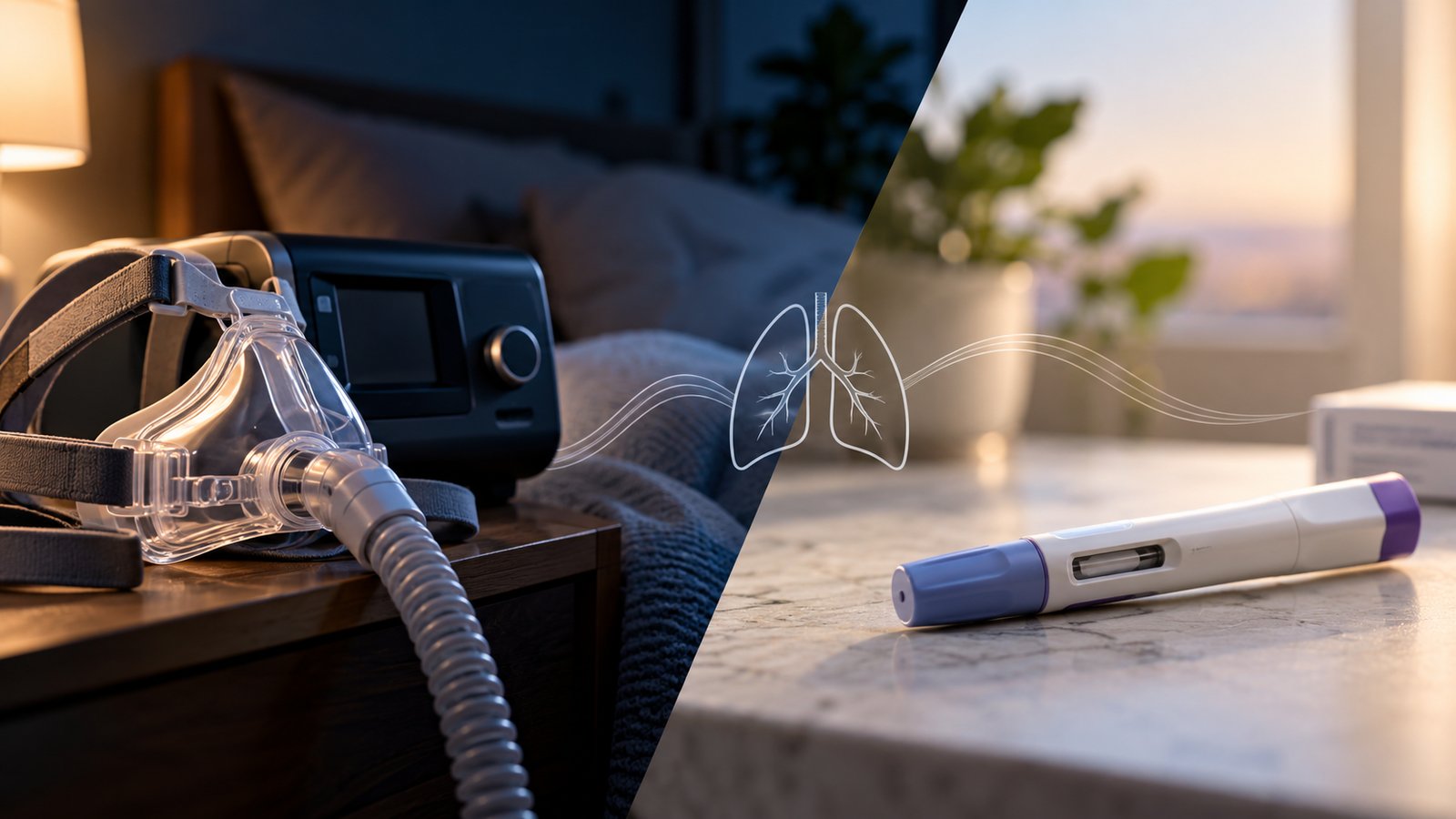
PAP therapy uses a small machine connected to a comfortable mask that gently delivers pressurized air to help keep the airway open during sleep.
Many patients use CPAP or an automatically adjusting version called APAP.
The 2026 CHEST guideline recommends considering treatment based on sleep apnea severity, symptoms, and accompanying medical conditions.
Women with more significant sleep apnea are generally advised to receive PAP treatment. Women with milder sleep apnea may also benefit, particularly when they have symptoms or conditions such as high blood pressure or diabetes.
Research suggests PAP therapy can improve sleep-related breathing problems, and some studies report improvements in maternal blood pressure outcomes.
However, larger studies are still needed to establish how much treating sleep apnea improves pregnancy and newborn outcomes.
Treatment decisions should be individualized through collaboration between the sleep specialist and the clinician managing the pregnancy.
Does Sleep Apnea Disappear After Delivery?
Not necessarily.
For some women, sleep apnea may improve after childbirth as pregnancy-related physiological changes resolve.
For others, the condition can persist.
That is why the CHEST guideline recommends reassessing sleep apnea after delivery in women who were diagnosed during pregnancy.
If you are using CPAP or APAP, do not discontinue your treatment simply because your baby has been born. Discuss the need for continued therapy or repeat testing with your sleep specialist.
The Take-Home Message: Don't Ignore Your Sleep During Pregnancy
Pregnancy is a time when your body deserves special attention.
We routinely monitor blood pressure, blood glucose, fetal growth, and other important indicators of maternal health. Sleep and nighttime breathing also deserve attention.
The October 2026 CHEST guideline sends an important message: screening for obstructive sleep apnea should be part of the conversation about health during pregnancy.
The recommendations are conditional because the available scientific evidence is still limited. Nevertheless, recognizing sleep apnea provides an opportunity for appropriate evaluation, symptom management, and individualized care.
If you are pregnant and snoring, waking up gasping, or struggling with persistent daytime sleepiness, talk with your obstetrician or a sleep medicine specialist.
A simple conversation about your sleep could be an important step toward better understanding your health.
Sleep Apnea Evaluation at Auria Medical Clinics
At Auria Medical Clinics, our sleep medicine services include:
-
Home sleep apnea testing
-
In-laboratory sleep studies
-
Comprehensive sleep medicine evaluation
-
Individualized treatment recommendations
-
CPAP/APAP guidance and follow-up care
We welcome patients referred by obstetricians, maternal-fetal medicine specialists, primary care physicians, and other healthcare providers.
Concerned about sleep apnea during pregnancy?
Visit www.auriaclinics.com to learn more about our sleep medicine services and request an appointment.
Auria Medical Clinics
1325 Satellite Blvd NW, Suite 301
Suwanee, GA 30024
Better Sleep. Better Breathing. Better Health.
Medical Reference
D'Ambrosio CM, et al. OSA in Pregnancy: An American College of Chest Physicians Clinical Practice Guideline. CHEST. 2026;170(4):1284–1298.
Medical disclaimer: This article is intended for patient education and does not replace personalized medical advice. If you are pregnant and have symptoms suggesting sleep apnea, discuss evaluation and treatment with your obstetric healthcare provider or sleep medicine specialist.